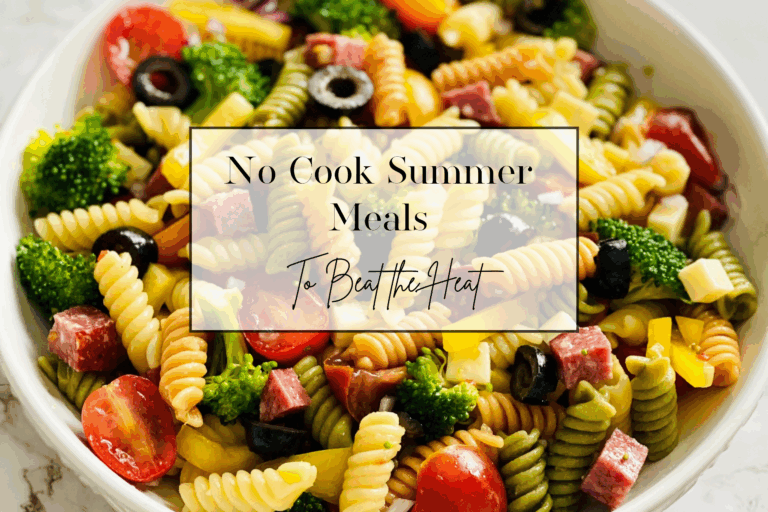
Simple Guide of How To Meal Prep on A Budget
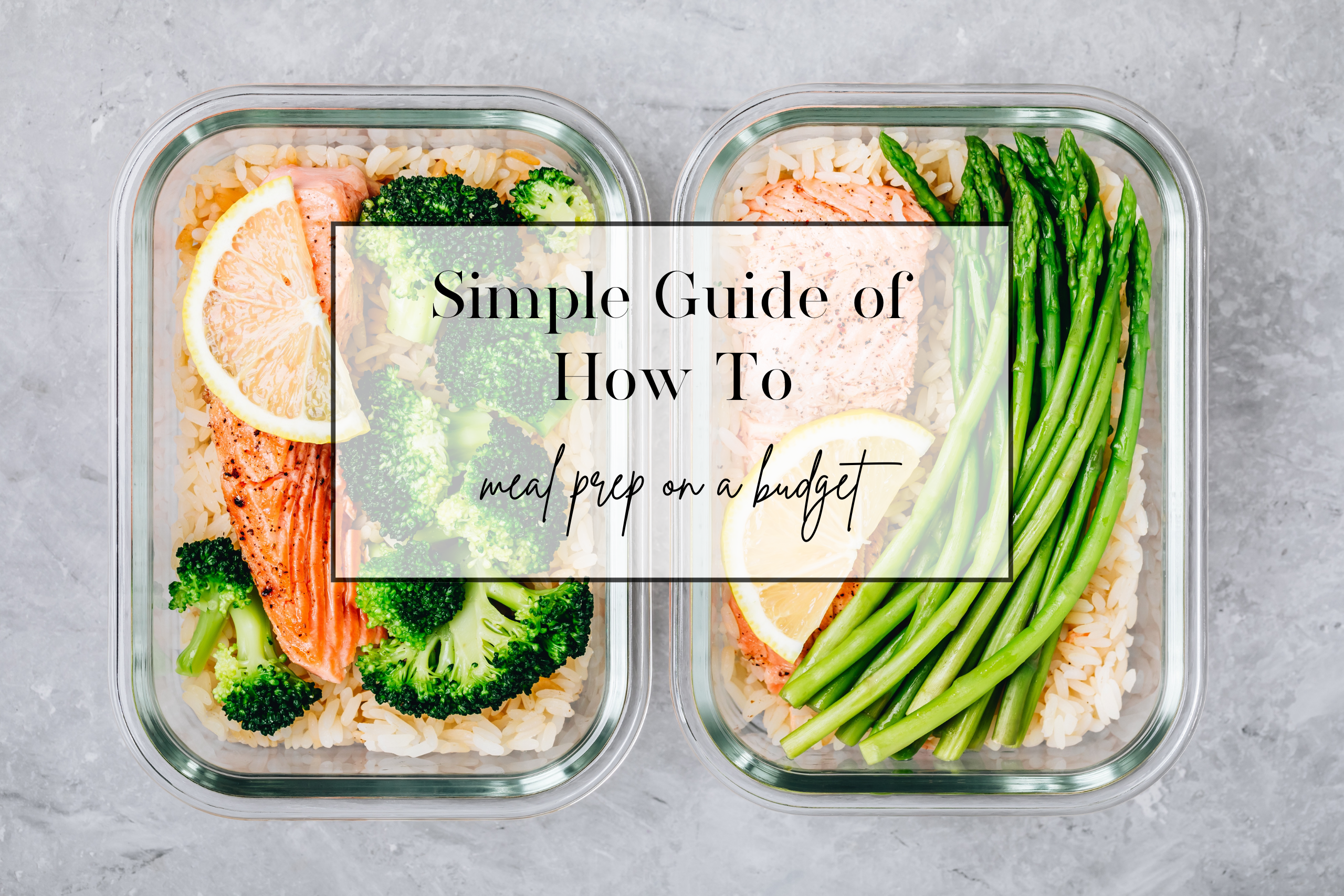
Meal prepping is one of the best ways to save money on groceries while ensuring you have healthy meals ready to go. However, many people think meal prep requires spending a lot upfront or buying expensive ingredients. The truth is, with the right approach, you can meal prep on a budget and still enjoy nutritious, delicious meals throughout the week.
In this guide, we’ll walk through the best strategies for keeping meal prep affordable, from choosing budget-friendly ingredients to reducing food waste and maximizing every dollar spent.
Plan Your Meals Around Affordable Staples
Why It Saves Money: Planning meals ahead of time prevents impulse purchases and ensures you buy only what you need.
How to Do It:
- Focus on affordable, nutrient-dense staples like whole grains, beans, lentils, eggs, frozen vegetables, and seasonal fresh produce.
- Buy ingredients that can be used in multiple meals—for example, a bag of brown rice can be used for stir-fries, grain bowls, and soups throughout the week.
- Look for store-brand versions of pantry staples; they’re often just as good as name brands but cost less.
Example Budget-Friendly Meals:
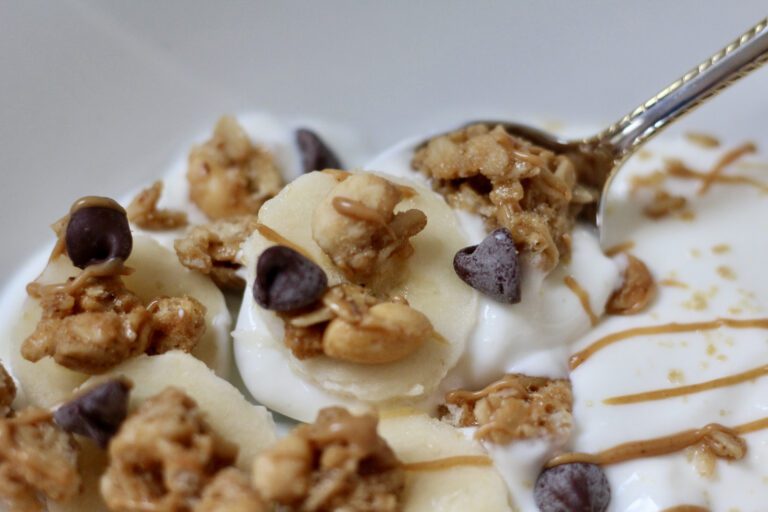
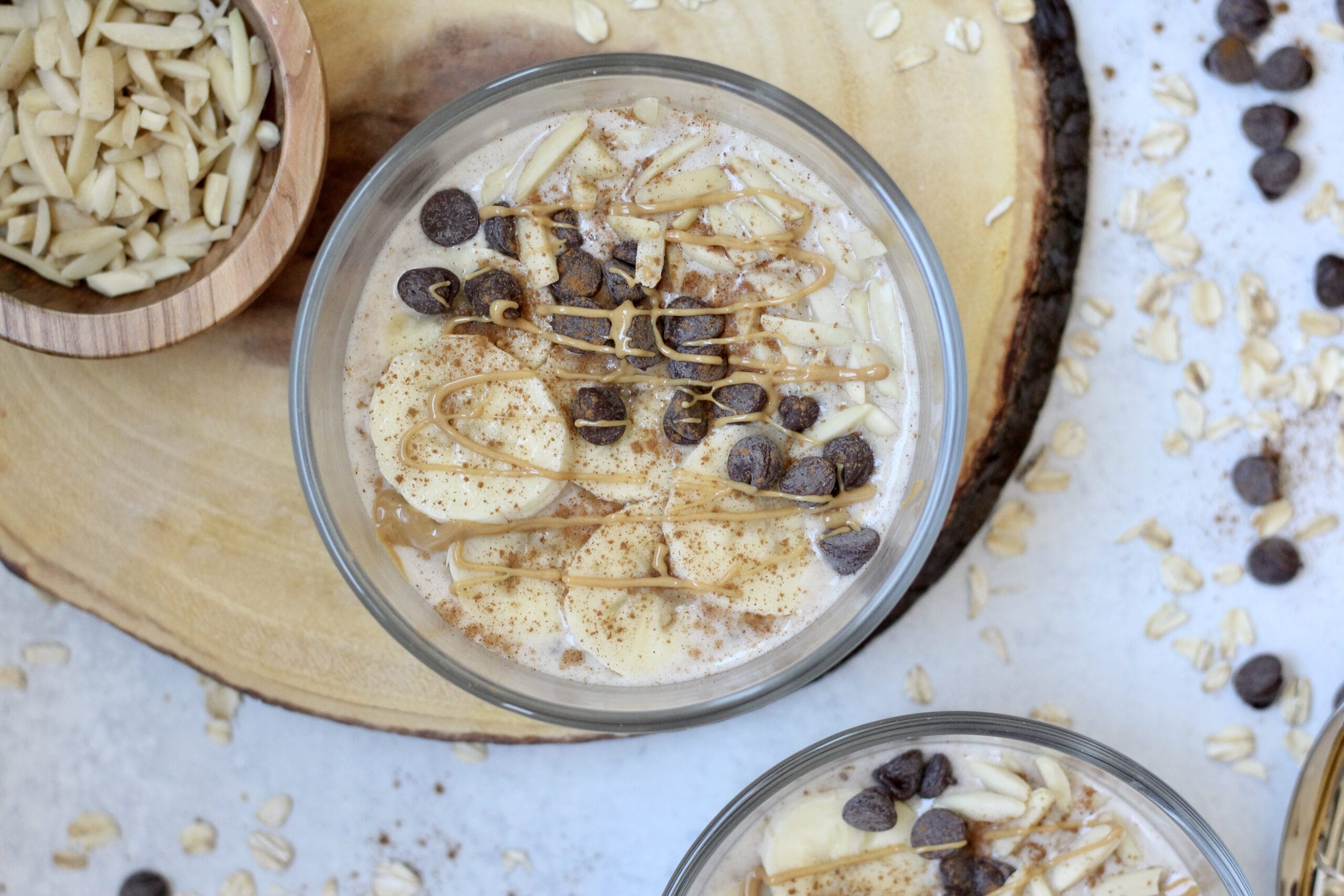
Oatmeal with peanut butter and banana (costs under $1 per serving)
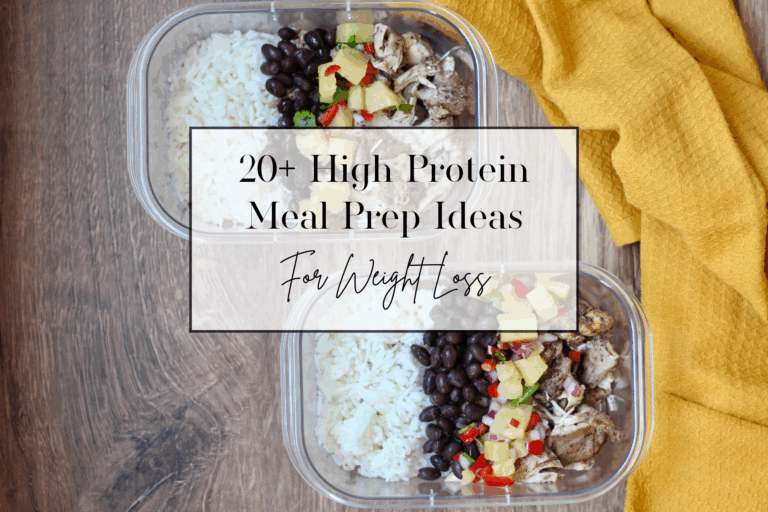
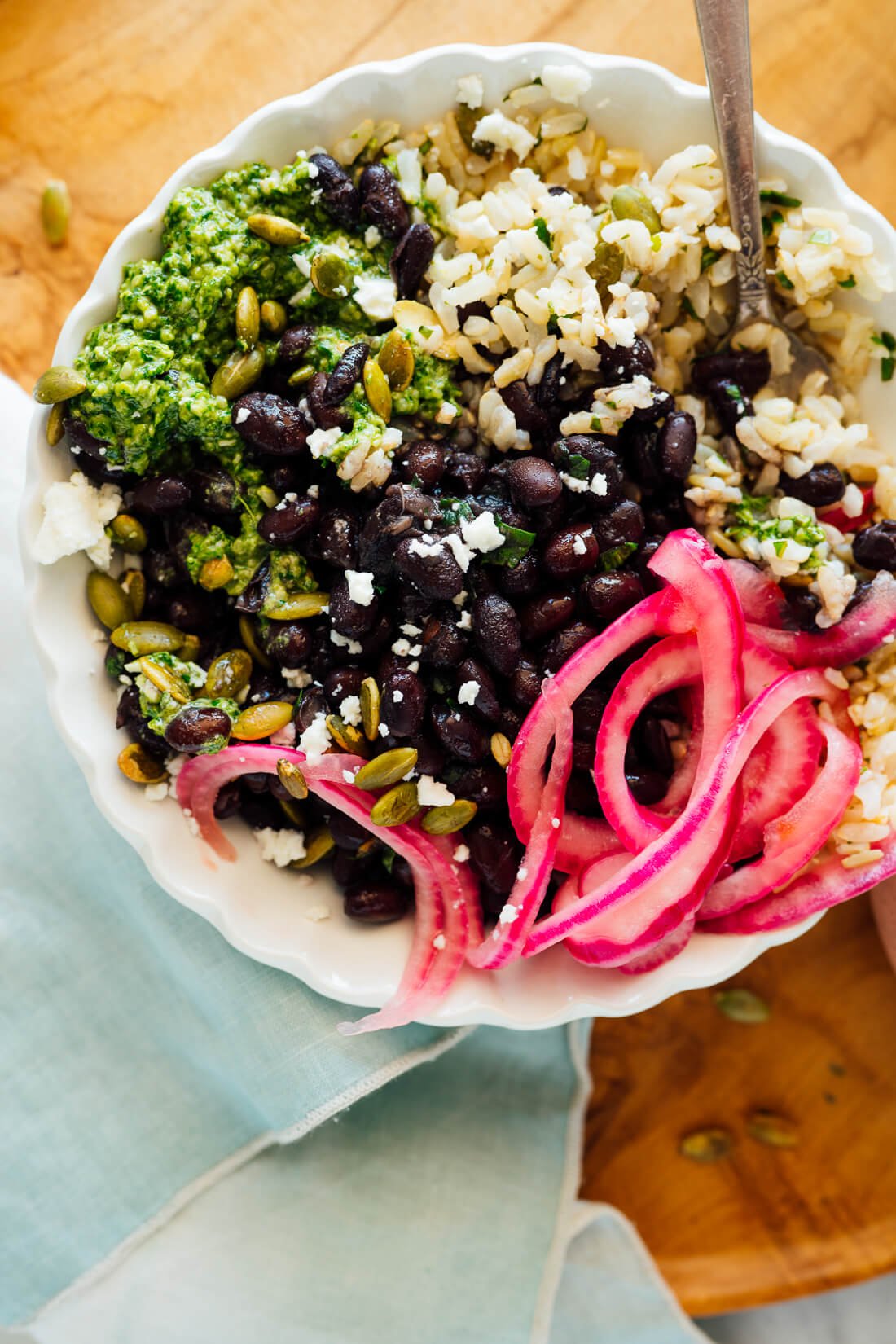
Black bean and rice burrito bowls
Lentil soup with whole grain bread

Buy in Bulk (But Smartly!)
Why It Saves Money: Buying larger quantities reduces the cost per unit, making it a great way to stock up on essentials.
How to Do It:
- Purchase dry goods like rice, oats, quinoa, pasta, and beans in bulk.
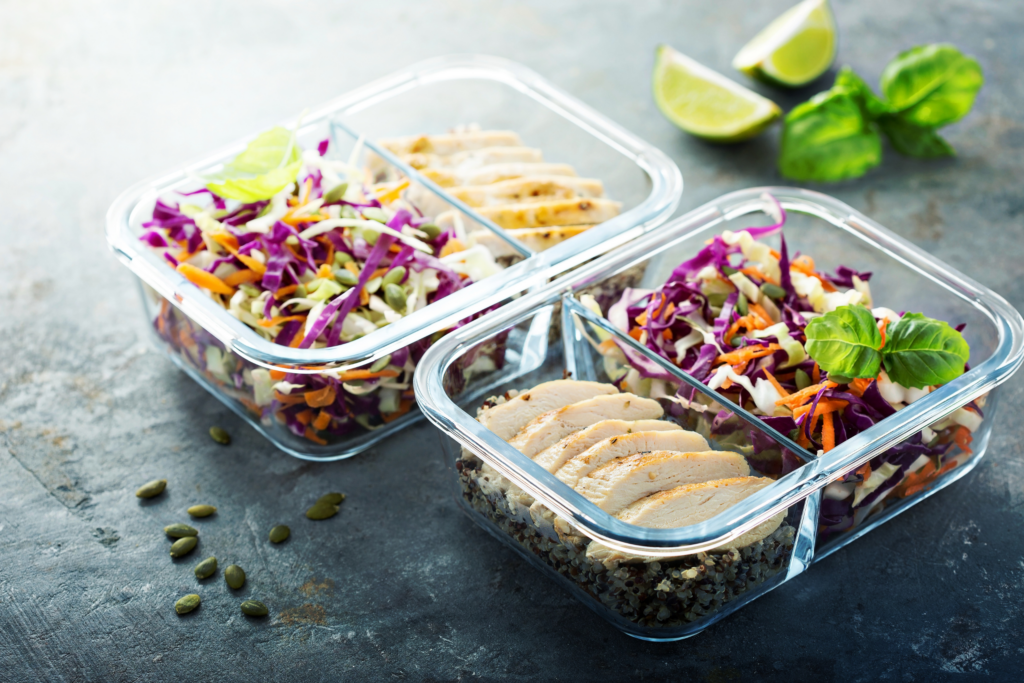
- Invest in frozen proteins like chicken breasts or fish when they’re on sale and store them in portioned freezer bags.
- Check warehouse stores for bulk items, but only buy what you know you’ll use to avoid waste.
Pro Tip: If bulk purchases seem too much, split the cost with a friend or family member!
Shop Seasonally and Use Frozen Produce
Why It Saves Money: Seasonal fresh produce is more affordable and flavorful. Frozen produce is often just as nutritious and lasts longer.
How to Do It:
- Look for local, in-season fruits and vegetables (e.g., buy berries in summer and squash in fall).
- Opt for frozen vegetables like spinach, bell peppers, or broccoli—they’re pre-chopped and won’t spoil quickly.
- If fresh produce is on sale, freeze extras for later.
Example Budget-Friendly Produce:
- Fresh: Bananas, carrots, sweet potato, apples, cabbage
- Frozen: Spinach, berries, mixed vegetables, edamame
Choose Budget-Friendly Proteins
Why It Saves Money: Protein is one of the most expensive grocery items, but there are plenty of affordable, healthy options.
How to Do It:
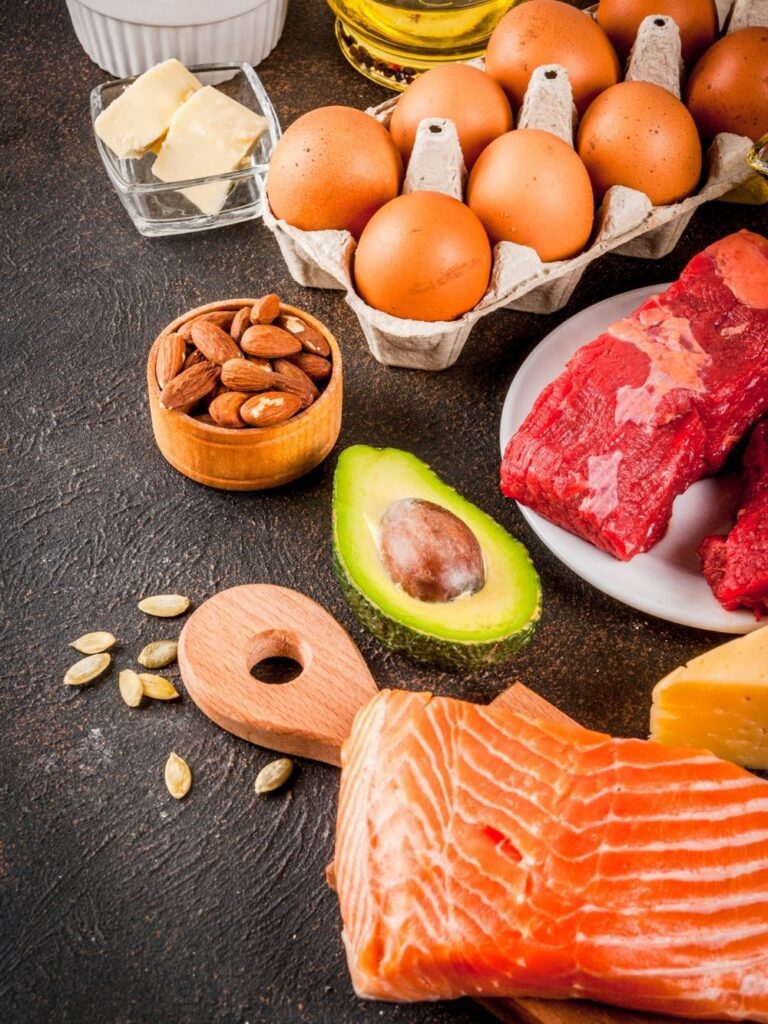
- Buy lean protein sources like eggs, canned tuna, tofu, chicken thighs (cheaper than chicken breast), and ground turkey.
- Use plant-based proteins like beans, lentils, and chickpeas, which are much cheaper than meat.
- Incorporate protein-extending meals, such as stretching ground beef with lentils in tacos or mixing canned tuna with whole-grain pasta.
Example Budget-Friendly Proteins:
- Canned tuna ($1 per can, 2 servings)
- Lentils ($2 per pound, makes several meals)
- Eggs ($4 per dozen, cost-effective breakfast option)
Reduce Food Waste (Use Everything!)
Why It Saves Money: The average family wastes hundreds of dollars per year on unused food. Being mindful about leftovers and food storage can save big.
How to Do It:
- Plan nutritious meals that use similar ingredients (e.g., spinach for salads and omelets).
- Store leftovers properly and freeze meals if you won’t eat them right away.
- Use vegetable scraps for homemade broth instead of tossing them.
Pro Tip: Keep a “leftovers night” where you use up everything in the fridge before making new meals!
Use Time-Saving Meal Prep Hacks
Why It Saves Money: The less time you spend cooking, the less likely you’ll be tempted to order takeout or buy convenience foods.
How to Do It:
- Cook large batches of staples (rice, beans, grilled chicken) at the start of the week.
- Use a slow cooker or Instant Pot to make cheap, hearty meals with minimal effort.
- Prep meals on designated prep days so you always have something ready to eat.
Example Quick & Cheap Meal Prep:
- Sheet pan chicken and roasted veggies
- Overnight oats (prepped in 5 minutes)
- Slow cooker chili with beans and tomatoes

Make Your Own Snacks Instead of Buying Packaged Ones
Why It Saves Money: Packaged snacks are often overpriced and filled with additives. Making your own is healthier and cheaper.
How to Do It:
- Make protein balls with oats, peanut butter, and honey.
- Prep snack packs with nuts, fruit, or homemade granola.
- Bake your own muffins or energy bars.
Example Budget-Friendly Snacks:
- Hard-boiled eggs ($0.25 per egg)
- Peanut butter on whole-grain toast ($0.50 per serving)
- Yogurt with frozen berries ($1 per serving)
Stick to a Weekly Grocery Budget
Why It Saves Money: Having a set food budget helps you make intentional purchases and prevents overspending.
How to Do It:
- Set a weekly grocery limit and track spending.
- Use a grocery list and stick to it.
- Avoid shopping when hungry—impulse buys add up fast!
Pro Tip: Challenge yourself to a low-spend week where you only cook meals from what you already have!
Have a Go-To List of Cheap, Healthy Recipes
Why It Saves Money: Having a few staple budget meals in your meal prep routine means you can shop smarter and reduce waste.
Example Budget-Friendly Meal Prep Ideas:
- Snacks: Homemade trail mix with nuts and dried fruit
- Breakfast: Chicken and egg breakfast scramble
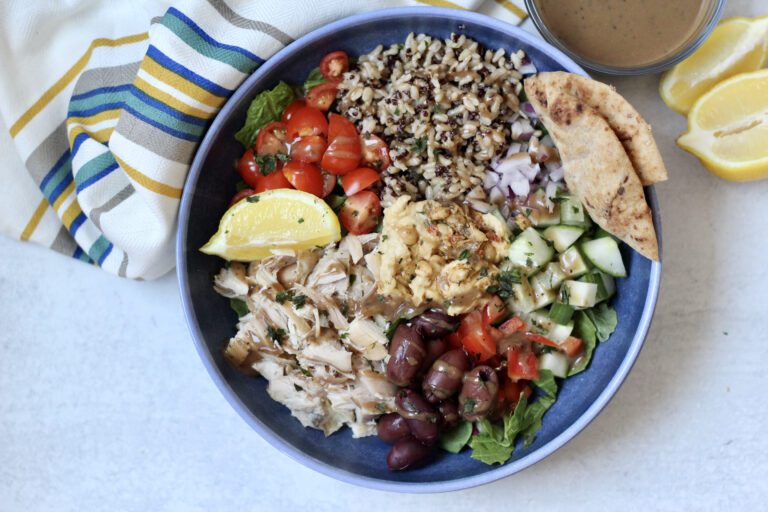
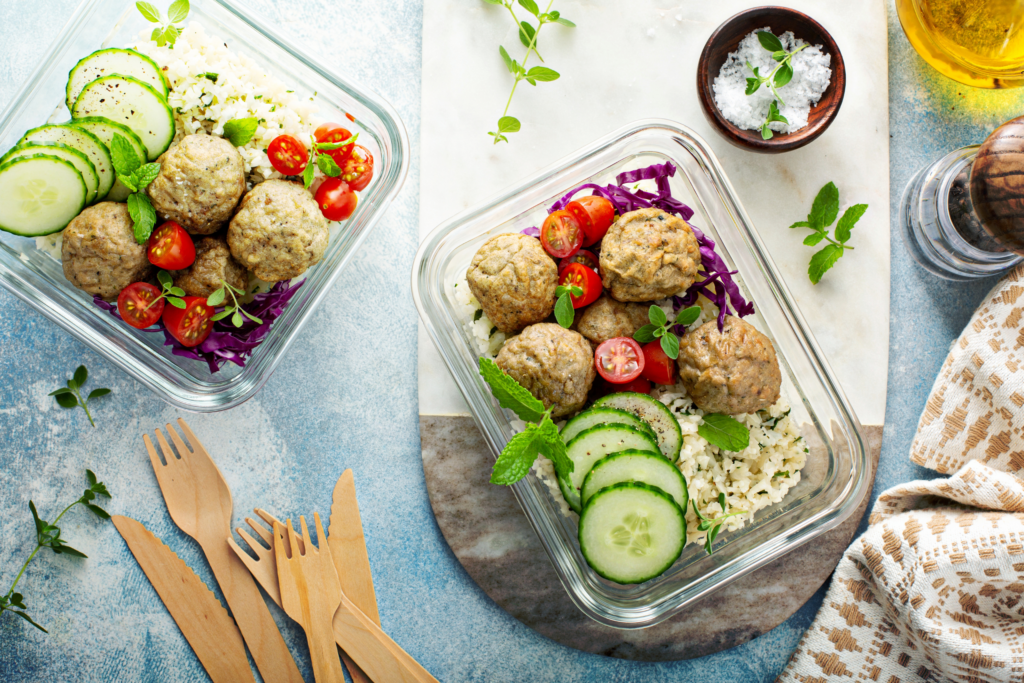
- Lunch: Greek Ground Turkey Meal Prep bowl
- Dinner: Slow cooker shredded chicken with rice and beans
Meal prepping on a budget doesn’t mean sacrificing nutrition or variety. By planning ahead, shopping smart, and using cost-saving strategies, you can enjoy healthy, homemade meals without overspending.
Want more budget-friendly meal prep ideas? Here are some additional resources for your meal prep journey:
Feel free to follow me on my social media as I share more healthy recipes, fitness workouts and motherhood. Give a follow at: Instagram, YouTube and Pinterest!