Meal Prep Hacks to Save Time & Money
If you’re anything like me, you want to eat healthier, spend less on groceries, and avoid the daily stress of figuring out what’s for dinner. But without the right approach, meal prepping can feel overwhelming, time-consuming, or even expensive. That’s where a good meal prep hack (or several!) can make all the difference.
By using simple, smart strategies, you can streamline your prep, reduce food waste, and stretch your grocery budget—all while ensuring you have delicious, nutritious meals ready to go. Whether you’re a busy parent juggling family meals, a working professional looking for quick lunches, or just someone who wants to make mealtime easier, these meal prep hacks will help you save both time and money.
This post may contain affiliate links in which I receive a small commission.
Why Meal Prep?
Meal prep allows you to create healthy meals for a couple of days or a whole week. I love meal prepping because it allows me to:
- Saves Time: Prepping meals in advance reduces the need for daily cooking.
- Saves Money: Helps prevent impulse grocery purchases and reduces food waste.
- Encourages Healthy Eating: Having pre-made meals or ingredients makes it easier to stick to nutritious choices.
- Reduces Stress: Knowing what’s for dinner eliminates last-minute meal decisions.
- Supports Fitness Goals: Makes it easier to control portions and balance macronutrients.

Time-Saving Meal Prep Hacks
Below are some of my favorite meal prep hacks. I’ve used these strategies over the years to up my meal prep process and ensure I have quick access to easy meals.
Cook Once, Eat Twice (or More!)
Batch cooking is a game-changer. Make large batches of proteins in different ways (chicken, ground turkey, tofu), grains (quinoa, rice), and roasted veggies. Use them in different meals throughout the week to avoid repetition fatigue. Example:
- Roasted sweet potatoes can be used in grain bowls, breakfast scrambles, or wraps.
- Shredded rotisserie chicken works in salads, tacos, and soups.
- Cooked quinoa can be a base for salads, stir-fries, and breakfast bowls.
Use Store-Bought Shortcuts Wisely
Meal prepping doesn’t mean spending hours in the kitchen chopping, cooking, and assembling everything from scratch. In fact, one of the best meal prep hacks to save time without sacrificing nutrition is to take advantage of convenient, high-quality shortcuts.
- Pre-cut vegetables can cut down on prep time significantly, especially for busy weeknights when you need to get dinner on the table fast.
- Frozen rice is another great time-saver—just heat it up in minutes instead of waiting for a fresh batch to cook. Canned beans offer a quick, protein-packed option for soups, salads, and grain bowls with no soaking or boiling required.
- Rotisserie chicken is one of the best meal prep staples! It’s already cooked and seasoned, making it perfect for wraps, salads, and casseroles. If you want more Rotisserie chicken meal prep check out these 10 healthy recipes using a rotisserie chicken!
🍽 Bonus Tip: When using these convenience items, be mindful of added ingredients. Look for options with minimal preservatives, lower sodium, and no unnecessary additives to keep your meals as healthy as possible. With a few strategic swaps, you can save time in the kitchen without compromising on flavor or nutrition.
Batch Prep Ingredients, Not Just Full Meals
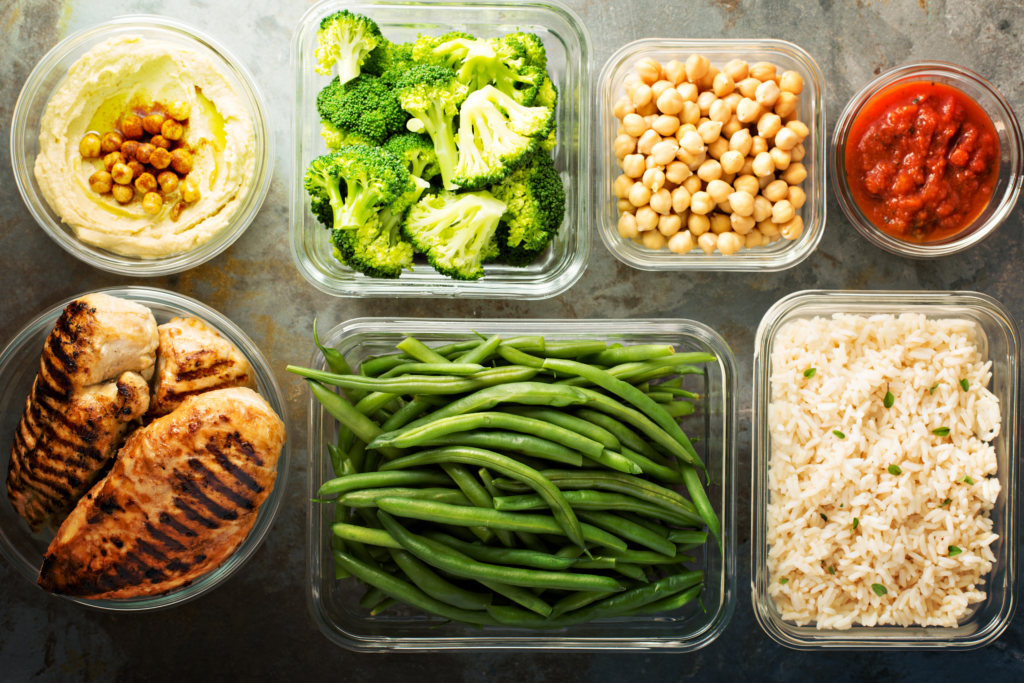
One of the best meal prep hacks to streamline meal prep (and a huge time saver) without feeling stuck in a rigid meal plan is to prep key ingredients ahead of time rather than assembling full meals in advance. By pre-chopping vegetables, marinating proteins, and portioning out snacks, you set yourself up for effortless, mix-and-match meals throughout the week.
- Pre-cut veggies like bell peppers, onions, carrots, and zucchini can be used in everything from stir-fries and salads to omelets and sheet pan dinners.
- Marinating proteins—whether it’s chicken, beef, tofu, or shrimp—ahead of time infuses them with flavor and ensures they cook up quickly when you’re ready to eat.
- Portioning out snacks such as nuts, yogurt, cheese sticks, or hummus with veggies makes it easy to grab a healthy option without resorting to less nutritious convenience foods.
This method gives you the structure of meal prep without the monotony of eating the same thing every day. You can mix and match your prepped ingredients to create different meals, keeping your routine fresh while still cutting down on overall cooking time. It’s the perfect balance between efficiency and variety!
Invest in the Right Storage Containers
Meal prep containers can literally make or break all of your hard work in the kitchen. The way you store your prepped meals and ingredients can make a huge difference in how fresh they stay throughout the week. Investing in high-quality storage solutions not only keeps food from spoiling too quickly but also helps maximize space and maintain flavor.
- Glass containers, mason jars, and BPA-free plastic containers are great options for keeping meals fresh longer. Glass containers are especially durable, microwave-safe, and don’t absorb food odors, making them ideal for storing everything from soups to salads.
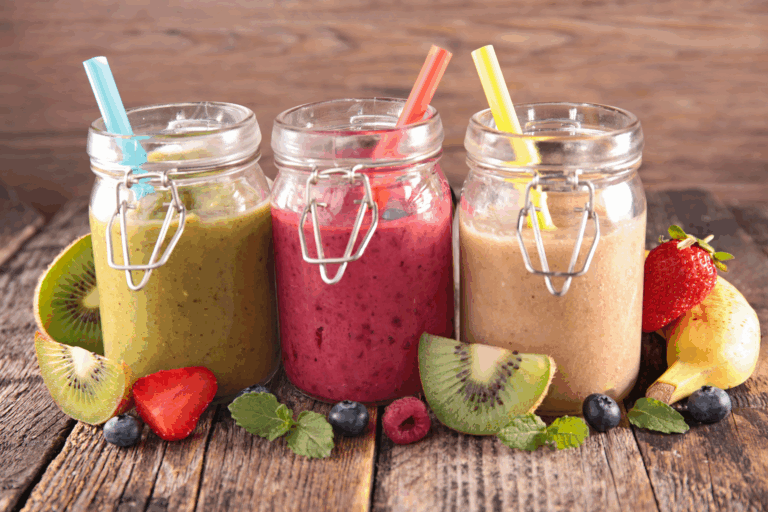
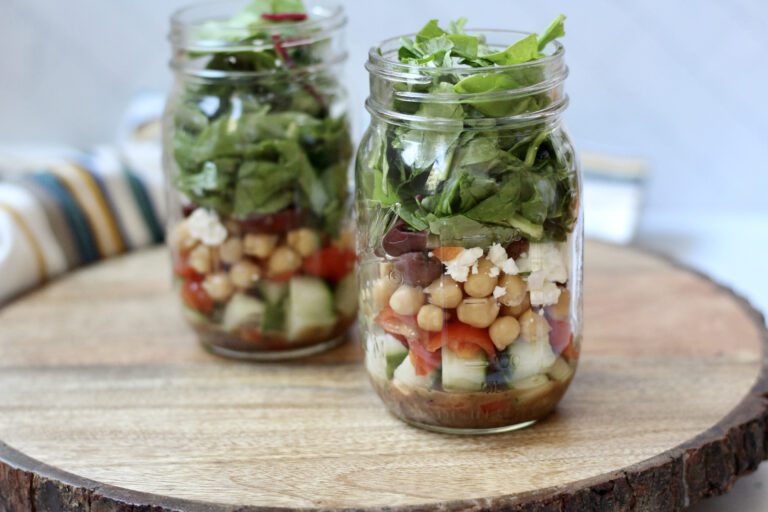
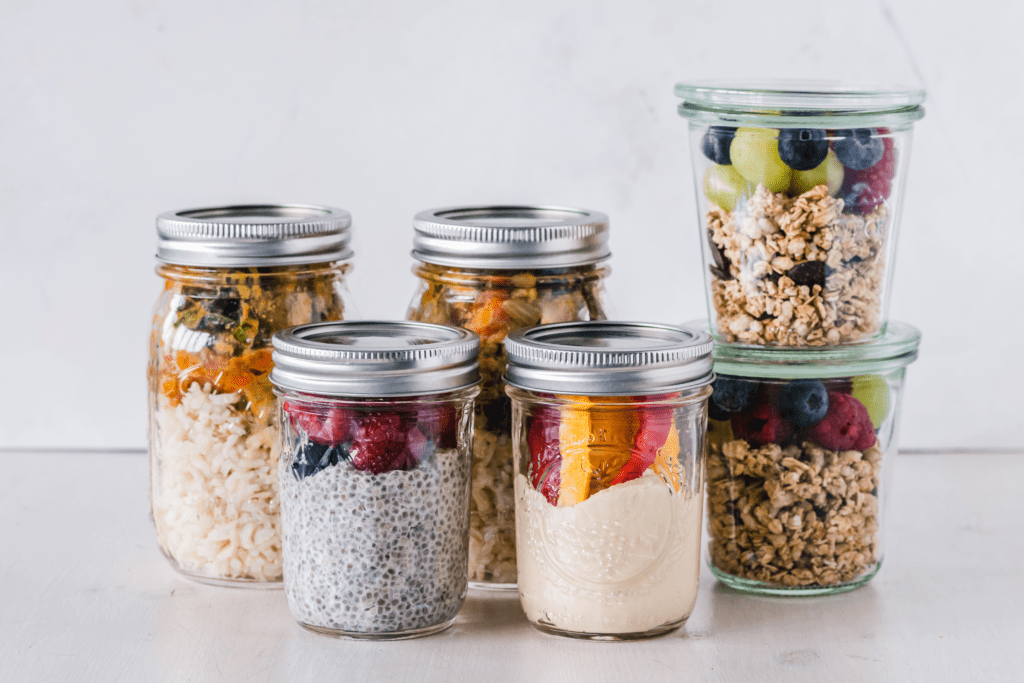
- Mason jars work well for layered salads, overnight oats, and dressings, helping to keep ingredients crisp and separated until you’re ready to eat.
- BPA-free plastic containers are lightweight and perfect for on-the-go meals or portioning out snacks.
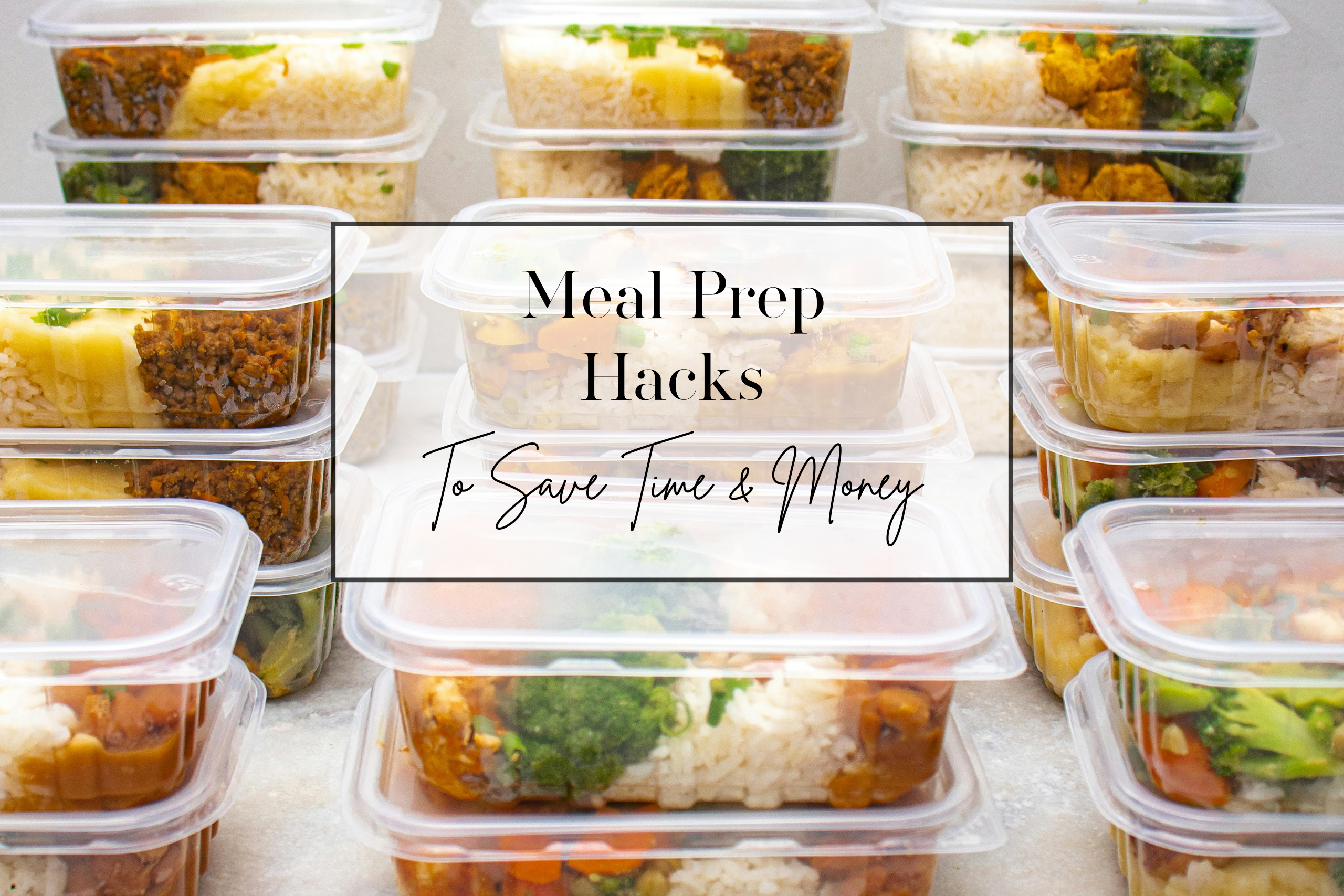
- Stackable containers are a game-changer for maximizing fridge space. By choosing uniform sizes, you can neatly organize your meal prep without wasting valuable shelf space. Clear containers also make it easy to see what you have on hand, preventing food waste and helping you stick to your meal plan.
- Vacuum-sealed bags and airtight lids are a great choice for long term storage. essential for preventing freezer burn. Whether you’re storing marinated proteins, soups, or pre-cut veggies, removing excess air keeps your food tasting fresh and prevents ice crystals from forming.
- Silicone food storage bags are another reusable, eco-friendly option for freezing meals without taking up too much space.
By using the right storage solutions, you can extend the shelf life of your meal prep, keep your fridge and freezer organized, and make it easier to grab what you need when it’s time to eat!
Have a “Lazy Meal” Option
Keep simple ingredients on hand for nights when you don’t feel like cooking. Example:
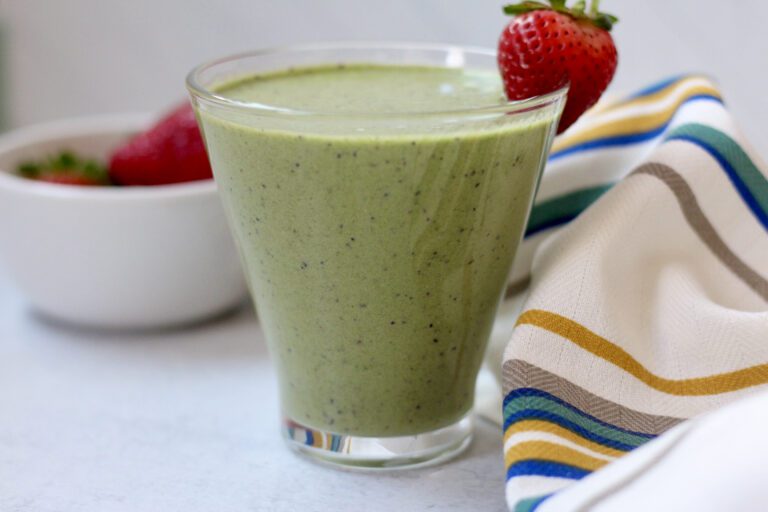
- Protein smoothie with banana, almond butter, and chia seeds
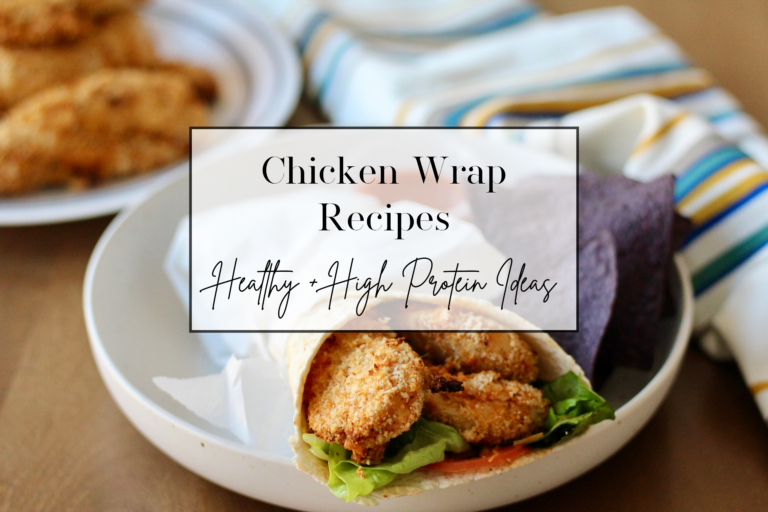
- Whole grain wraps + hummus + veggies
- Canned tuna + avocado + rice cakes
- Frozen stir-fry veggies + pre-cooked quinoa + roast chicken
- Greek yogurt + granola + berries

My Favorite Meal Prep Tools
Glass Meal Prep Containers
Instapot & Slow Cooker
Mason Jars
Air Fryer
Make Use of Kitchen Gadgets
The right tools can make meal prep faster, easier, and more efficient. Whether you’re looking to save time on chopping, speed up cooking, or simplify clean-up, these kitchen gadgets can help streamline your process and make healthy eating more convenient.
- Slow Cooker or Instant Pot: One of the most important piece of kitchen equipment. You can set it and forget it for easy meal prep.
- Air Fryer: Quick way to roast veggies or protein with minimal oil.
- Food Processor: Speeds up chopping, slicing and shredding.
If you want my top 10 meal prep tools, check out my blog post on 10 best meal prep tools.
Budget-Friendly Meal Prep Tips
Eating healthy doesn’t have to be expensive! With a little planning and smart shopping, you can meal prep nutritious meals while keeping costs low. These budget-friendly tips will help you stretch your grocery budget without sacrificing flavor or variety.
Buy in Bulk & Freeze Portions
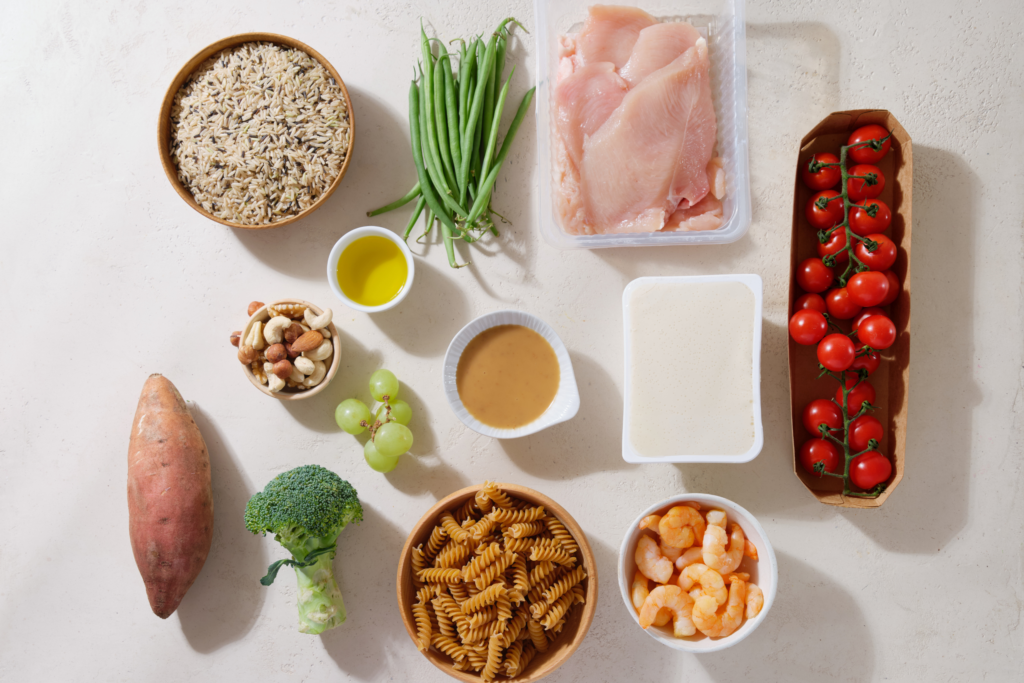
Purchasing staple ingredients like grains, nuts, and proteins in bulk and freezing portions saves money in the long run. Divide larger packages into meal-sized portions to avoid waste.
Plan Meals Around Sales & Seasonal Produce
Check weekly grocery store ads and base your meal plan on discounted proteins and in-season veggies. Farmers’ markets often have fresh, affordable produce.
Minimize Food Waste
Repurpose leftovers creatively—use roasted veggies in omelets or blend wilting greens into smoothies. Store food properly to extend shelf life (e.g., keep herbs in water, store berries with a paper towel to absorb moisture).
Stick to Simple, Versatile Ingredients
Choose ingredients that can be used in multiple meals. Example: Chicken, rice, and beans can be transformed into burrito bowls, stir-fries, and salads. Versatile spices and sauces can create different flavor profiles.
DIY Your Convenience Foods
Instead of buying expensive pre-packaged meals, make your own versions.
- Make homemade freezer burritos or breakfast sandwiches.
- Prep your own trail mix with bulk nuts, seeds, and dried fruit.
- Portion out snacks like nuts, hummus, or cottage cheese in reusable containers.
Simple Meal Prep Plan for Beginners
Here’s a basic guide to getting started:
Breakfast (Prep 3-4 days ahead)
- Overnight oats with fruit & nuts
- Egg muffins with veggies
- Greek yogurt with honey and granola
Lunch/Dinner (Mix & Match Components)
- Protein: Chicken, tofu, beans, or fish
- Carb: Quinoa, sweet potatoes, or whole wheat pasta
- Veggies: Roasted Brussels sprouts, bell peppers, or spinach
- Healthy Fats: Avocado, nuts, olive oil, or tahini dressing
Snacks
- Hummus with sliced cucumbers and carrots
- Hard-boiled eggs with everything bagel seasoning
- Cottage cheese with pineapple
- Apple slices with almond butter
- Roasted chickpeas with sea salt and paprika
Common Meal Prep Mistakes to Avoid
Meal prepping can save time and money, but a few missteps can make it feel overwhelming or ineffective. Avoid these common mistakes to keep your meal prep efficient, fresh, and stress-free.
- Prepping Too Many Meals at Once: Food can go bad before you get to eat it. Stick to 3-4 days’ worth of meals at a time.
- Not Storing Food Properly: Use airtight containers, label your meals, and keep perishables in the fridge or freezer.
- Lack of Variety: Rotate your meals weekly and experiment with new flavors to prevent boredom.
- Skipping Seasoning: Healthy food doesn’t have to be bland! Use fresh herbs, spices, and healthy sauces to enhance flavors.
Here are some more tips on how to avoid the most common meal prep mistakes and how to correct them!
FAQ’s
Store chopped veggies in airtight containers with a paper towel to absorb moisture. For greens, keep them in a produce drawer or a container with a breathable lid.
There is no set day in which you can meal prep, it’s really whatever works best for you. Most people carve out time Sunday night because that’s when they have the most time to dedicate to meal prepping.
Hopefully these easy meal prep hacks will make approaching meal prep easy peasy. Start small—prep just 2-3 meals ahead and build from there. Over time, you’ll find a rhythm that works for your lifestyle. Meal prepping doesn’t have to be complicated, and even small changes can make a big difference in saving time and money!
What’s your favorite meal prep hack? Let me know in the comments!
Let’s stay in touch! Feel free to follow me on my social media as I share more healthy recipes, fitness workouts and motherhood. Give a follow at: Instagram, YouTube and Pinterest!