
How to save money on groceries – 25 tips to try

How to save money on groceries in 2025. I’ve compiled 25 tips and tricks you can try to on your next grocery run to see some savings that add up!
With food prices soaring, we’re all feeling the pain at the grocery store, and my family is no exception. As a family of four, we eat frequent meals and snacks throughout the day, I can’t help but notice that our grocery bill slowly keeps increasing. Recently I did a shopping trip where I challenged myself to buy groceries for my family for two weeks for $100. For me, this wasn’t just about saving money—it was about seeing how far careful planning, smart shopping strategies, and a little creativity could stretch our dollar. It meant revisiting my meal plans, sticking strictly to my shopping list, and prioritizing affordable, versatile ingredients that could work across multiple meals.
Through this experiment, I learned valuable lessons about the power of simplicity, embracing budget-friendly staples, and how a little preparation can make a big difference in managing grocery costs. Whether it’s finding joy in butternut squash soup or turning a sale item into three completely different meals, this challenge reminded me that even with rising prices, it’s possible to feed your family well without breaking the bank.
This post may contain affiliate links in which I receive a small commission at no charge to you.
HOW TO SAVE MONEY ON GROCERIES
I’ve grouped my money-saving tips into a few simple categories, each focusing on a different way to help you save. I wanted to make it easy and practical so you can tackle one area at a time without feeling overwhelmed.
PLANNING AHEAD TO SAVE MONEY
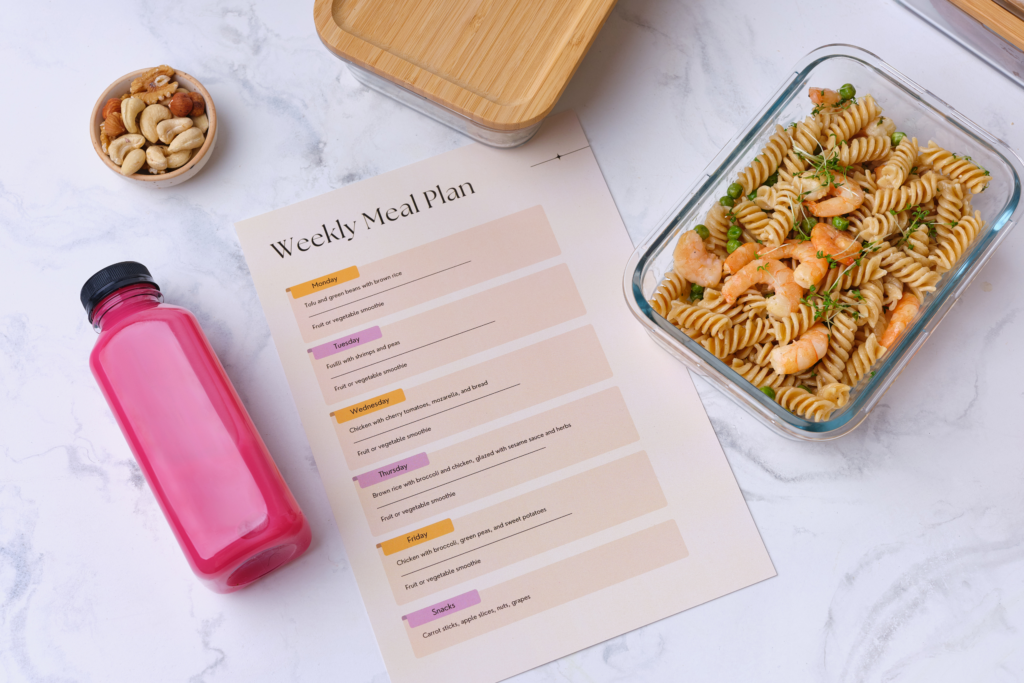
- Make a grocery budget: Set a weekly or monthly spending limit for groceries. Track your expenses to ensure you stay within this amount, adjusting as necessary to meet your financial goals while still buying essentials.
- Meal planning: Plan meals in advance to avoid unnecessary purchases. By knowing what you’ll cook each day, you can buy only the ingredients you need, reducing waste and cutting costs. Meal planning is my speciality since I already meal prep, but I wanted to ensure that the meals I planned the ingredient list could be used in multiple dishes.
- Shopping lists: Write a list based on your meal plan and stick to it. Avoid deviating unless it’s for a planned substitution or a sale item that fits your needs.
SMART SHOPPING STRATEGIES
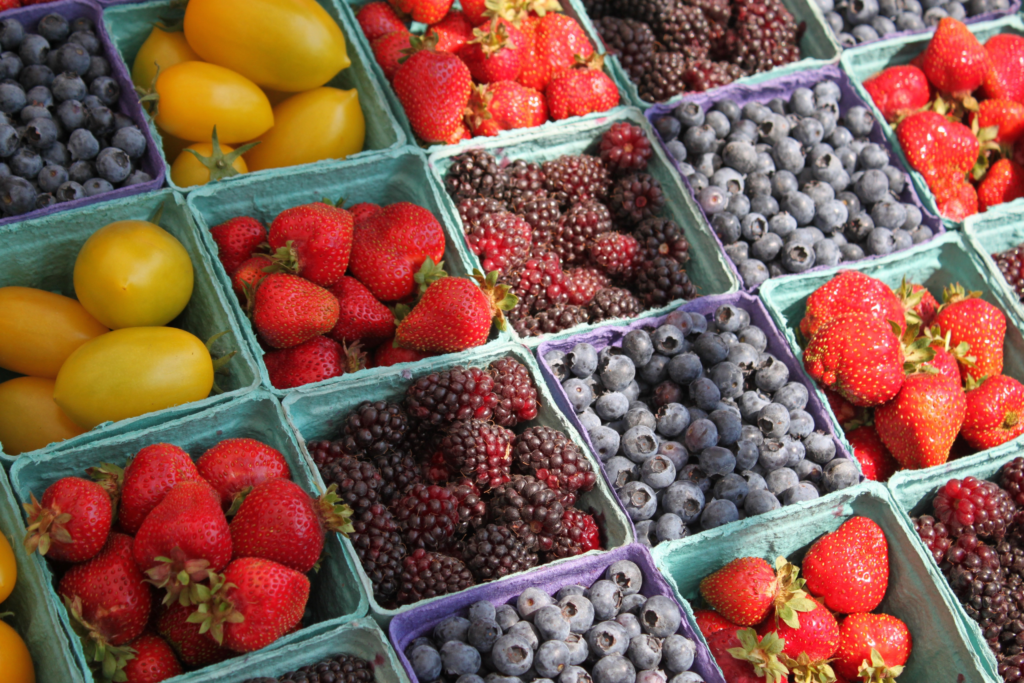
- Shop sales & Discounts: Check your local grocery store flyers or apps for discounts and deals. Stock up on staples when they’re on sale, especially items with a long shelf life or that can be frozen.
- Plan your meal around “loss leaders”: Grocery stores often feature “loss leaders”—highly discounted items designed to attract shoppers. These products, such as meats, produce, or pantry staples, are sold at little to no profit to the store with the hope that you’ll also purchase higher-margin items while shopping. By identifying and planning your meals around these loss leaders, this is a great way to save significantly on your grocery bill while stocking up on essentials.
- Limit pre-cut or pre-washed items: Buying whole produce like heads of lettuce, whole carrots, or full watermelons is more cost-effective than pre-cut or pre-packaged options.
- Look for “manager’s specials”: Many stores discount items close to their sell-by dates. These can be a great deal if you plan to use them immediately or freeze them for later. During my shopping challenge, I scored a great deal on a family pack of chicken thighs marked 50% off because it was just one day before the “sell by” date. I didn’t hesitate—I bought them and froze them as soon as I got home to keep them fresh. It was a simple way to save money without compromising quality!
- Coupons: Use coupons from newspapers, online, or store apps to save on specific items. Combine them with sale items for even greater savings.
- Buy generic brands: Opt for store-brand items instead of name brands. They’re often made by the same manufacturers and provide similar quality at a fraction of the cost.
- Purchase in bulk: Save money by buying pantry staples like rice, beans, or pasta in bulk. For perishable items, ensure you have proper storage to prevent spoilage.
- Shop at Discount stores: Shop at discount grocery stores like Aldi, Lidl or Food Depot or even dollar stores for some pantry items. Wholesale clubs with bulk options like Costco or Sam’s Club are a good idea to shop for grocery items too. These stores often have a lower unit price on staples and produce.
SHOPPING TIPS TO AVOID OVERSPENDING
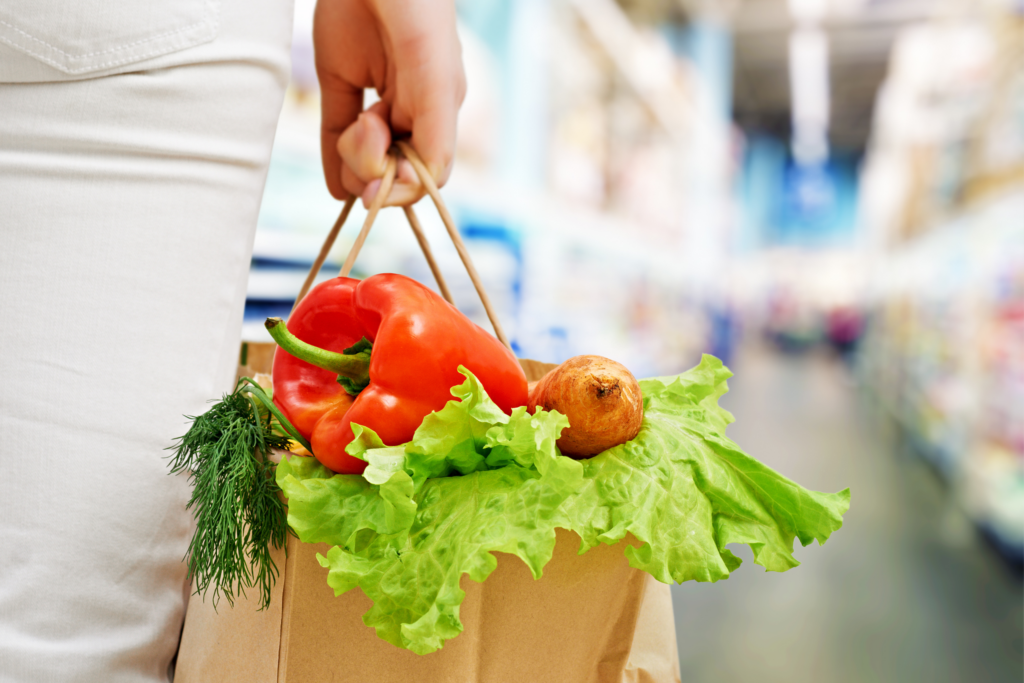
- Resist impulse purchases: Stick to your list and avoid browsing aisles you don’t need to shop in. This prevents you from adding unnecessary or overpriced food items to your cart. As a food blogger, I’ll admit that impulse buys are a temptation I’m all too familiar with. Whether it’s a unique ingredient or a snack that catches my eye, it’s easy to stray from my list. Lately, I’ve been working on managing this habit during my grocery runs to stay on budget and focus on what I truly need.
- Shop in season: Buy fresh fruits and vegetables that are in season, as they are typically fresher, more flavorful, and more affordable. Out-of-season produce tends to cost more due to transportation and storage.
- Time your shopping trips: The time of day you shop can make a surprising difference in how much you spend. Grocery stores often mark down items that are close to their sell-by dates or have slight imperfections early in the morning or late in the evening. These markdowns can include fresh produce, bakery items, meats, and even prepared foods—making it the perfect opportunity to snag quality products at a fraction of the cost.
- Avoid shopping when hungry: Hungry shoppers are more likely to buy unnecessary items or junk food. Have a snack before shopping to focus on your list instead of cravings.
ADVANCED TIPS TO FOR SAVING MONEY

- Organize your pantry and fridge: Keeping your pantry and fridge well-organized is one of the easiest ways to save money on groceries. When you know exactly what you have on hand, it prevents you from accidentally buying items you already own or letting food go to waste because it was buried and forgotten. By organizing your space, you’ll save money in two key ways: you won’t buy unnecessary duplicates, and you’ll be more likely to use what you already have instead of letting it go bad.
- Use Cashback apps: Apps like Ibotta, Fetch Rewards, or Rakuten let you earn cashback or points on grocery purchases. Scan receipts or link your store accounts to save on everyday items. Also some credit card or banks will also offer cash back for grocery shopping at your local store as well. Be sure to load the offer prior to making your purchase.
- Store loyalty programs: Sign up for grocery store loyalty programs to access exclusive discounts, earn points, or get coupons for future savings. Many programs also offer digital rewards that track automatically.
- Grocery Delivery Services: Many stores now offer convenient grocery delivery services, often with perks like an introductory discount on your first order or exclusive coupons available only for delivery customers. One of the biggest advantages of using these services is that it helps you stick to your grocery list. Since you’re placing your order online or through an app, you can avoid the distractions and impulse purchases that often happen during an in-store trip. Plus, it saves time and energy by bringing your groceries right to your door!
- Try a Grocery Challenge: A grocery challenge is a fun and creative way to test your budgeting skills while discovering how far you can stretch your grocery dollars. It’s not just about saving money—it’s also an opportunity to get resourceful, reduce waste, and experiment with new meal ideas.
- Explore Alternative Grocery stores: Sometimes the best way to save money on groceries is to step outside your usual shopping routine and explore alternative sources. Farmer’s markets, co-ops, and ethnic grocery stores can offer unique opportunities to find fresh, high-quality ingredients at lower prices than big-name supermarkets. Farmer’s markets are fantastic for getting fresh, seasonal produce directly from the source. Since you’re buying directly from local farmers, you often pay less for fruits and vegetables compared to grocery store prices. Food cooperatives, or co-ops, are member-owned grocery stores that focus on providing fresh, organic, and locally sourced products. Ethnic grocery stores are hidden gems for affordable, high-quality ingredients. These stores often carry specialty items—like spices, sauces, and unique produce—at a fraction of the cost you’d find at mainstream supermarkets.
SAVE MONEY ON GROCERIES WHILE COOKING & EATING

- Cook from scratch: Pre-packaged foods are convenient but often pricier. Cooking meals from basic ingredients saves money and allows you to control the quality and nutrition of your food.
- Embrace leftovers: Leftovers don’t have to mean eating the same meal over and over again. By repurposing them into new dishes, you can reduce food waste, save time, and stretch your grocery budget even further. Here are a few ideas to get you started: What to do with leftover taco meat (5 recipe ideas) or Cheesecake Factory Tex Mex eggrolls made from leftover sheetpan fajitas.
- Go vegetarian/choose cheaper protein sources: Reduce meat consumption by using beans, lentils, tofu, eggs, or canned fish as protein sources. These are more affordable and can be just as nutritious.
- Freeze and Preserve Leftovers: Store leftovers in freezer-safe containers for future meals. This reduces food waste and gives you a quick, budget-friendly meal option later.
Hopefully these tips and tricks on how to save money on groceries will help you find the lowest price, best deals and ultimately save on your grocery expenses. If you have any other tips you want to share, feel free to leave them down in the comment section below! Feel free to follow me on my social media as I share more healthy recipes, fitness workouts and motherhood. Give a follow at: Instagram, YouTube and Pinterest!








I love this post. As a busy mom of two balancing work and family priorities, it’s easy for me to sacrifice expediency over savings, but you’ve highlighted a lot of easy and quick ways to save every day. I love the content, and I’m taking a few moments now to add some of these tips to my action plan, like signing up for these grocery-saving apps.
Thank you so much! I totally get it—balancing work, family, and saving money can be a challenge. I’m so glad you found these tips helpful and are adding them to your action plan!