How Many Carbs Should You Add to a Protein Shake?
Wondering if you should add carbs to your protein shake? Whether you’re looking to fuel workouts, recover faster, or stay full longer, getting the right carb balance can make all the difference. I learned this the hard way. I still remember my first attempt at making a protein shake—back in my early fitness days when I thought blending protein powder with water was the ultimate health move. Let’s just say…it was not a tasty experience. It was thin, bland, and did absolutely nothing to keep me full.
At the time, I was focused solely on my protein intake. I didn’t realize that balancing my shake with the right combination of carbs, healthy fats, and protein would make it more effective (and delicious!). It wasn’t until I started experimenting—adding a banana here, some oats there—that I discovered how much better I felt and how much longer my shakes kept me satisfied.
This post contains affiliate links in which I receive a small commission at no cost to you.
Why Do Carbs Matter in a Protein Shake?
Carbohydrates often get a bad rap, but they play a crucial role in muscle recovery, energy levels, and satisfaction. If you’ve ever had a protein shake that left you hungry 20 minutes later, chances are it was missing some well-placed carbs.
Here’s how carbs can enhance your shake:
- Better Taste and Texture: A shake with just protein and water can be chalky. Ingredients like fruit, yogurt, or even nut butters can make it creamy and delicious.
- Post-Workout Recovery: After a tough workout, your muscles need glycogen replenishment. Adding a banana, oats, or even a splash of milk can help your body recover faster.
- Sustained Energy: Protein shakes with carbs keeps you fueled longer. If you’re drinking one as a meal replacement, adding carbs ensures you don’t get hit with a crash an hour later.
The Science Behind Carbs and Protein
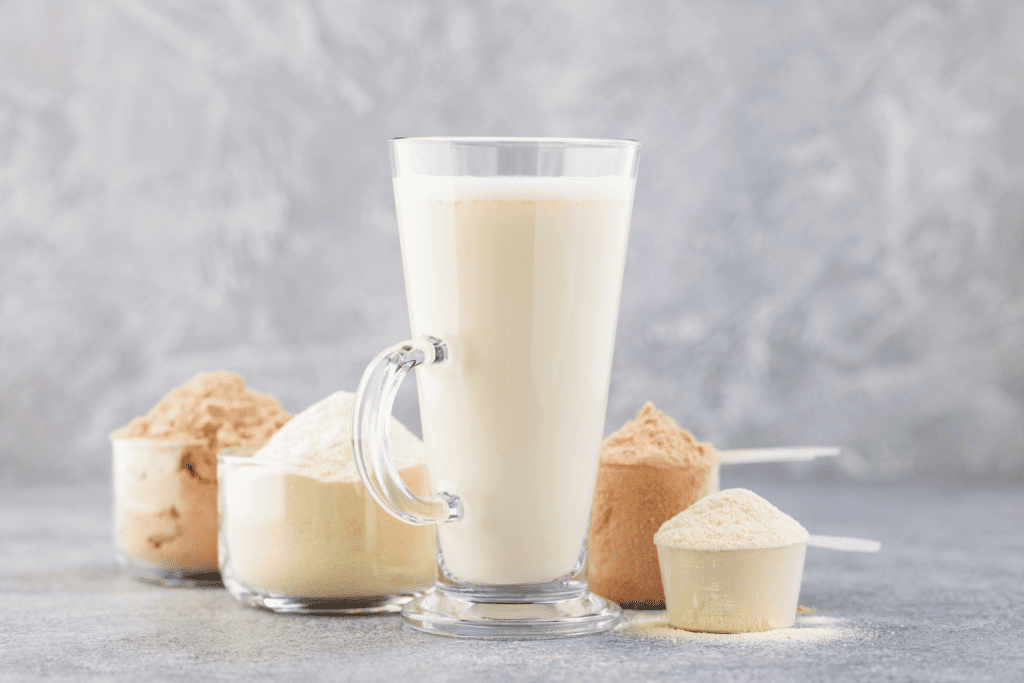
Carbs and protein work together in an amazing way. Carbohydrates help shuttle protein into your muscles by stimulating insulin release, which allows your body to better absorb nutrients post-workout. This process helps repair muscle tissue and restore glycogen stores faster.
But not all carbs are created equal. Fast-digesting carbs, like fruit and honey, provide an immediate energy boost and work best for post-workout recovery. Slow-digesting carbs, like oats or sweet potatoes, give you more sustained energy, making them great for meal replacement shakes.
Additionally, adding fiber-rich carbs like chia seeds, flaxseeds, or vegetables can help control blood sugar levels and keep you full longer. It’s all about knowing what your body needs and choosing the right type of carbs accordingly.
If you want to learn more about macronutrient breakdown, read my blog post on What are Macronutrients.
How Many Carbs Should You Have?
To make it even easier, here’s a quick reference chart for different carb needs:
| Goal | Recommended Carbs | Best Carb Sources | Who It’s Best For |
| Pre Workout Energy Boost | 20-30 g | Banana, Honey, Whole grain toast | Those needing fuel before exercise |
| Post Workout Recovery | 20-40g | Banana, Oats, Honey, Dates | Athletes & Weightlifters |
| Weight Loss & Low Carb Diets | 5-15g (or slightly higher, depending on personal carb tolerance) | Berries, unsweetened almond milk, Greek yogurt | Those on keto or calorie-controlled diets |
| Balanced Meal Replacement | 30-50g | Oats, banana, quinoa, sweet potato | Busy individuals needing a balanced meal |
Please note that these are general guidelines. The exact amount of carbs you need depends on your individual physical activity, fitness goals (such as muscle growth, weight management, or endurance training), and overall dietary intake.
Best Carb Sources for Your Shake
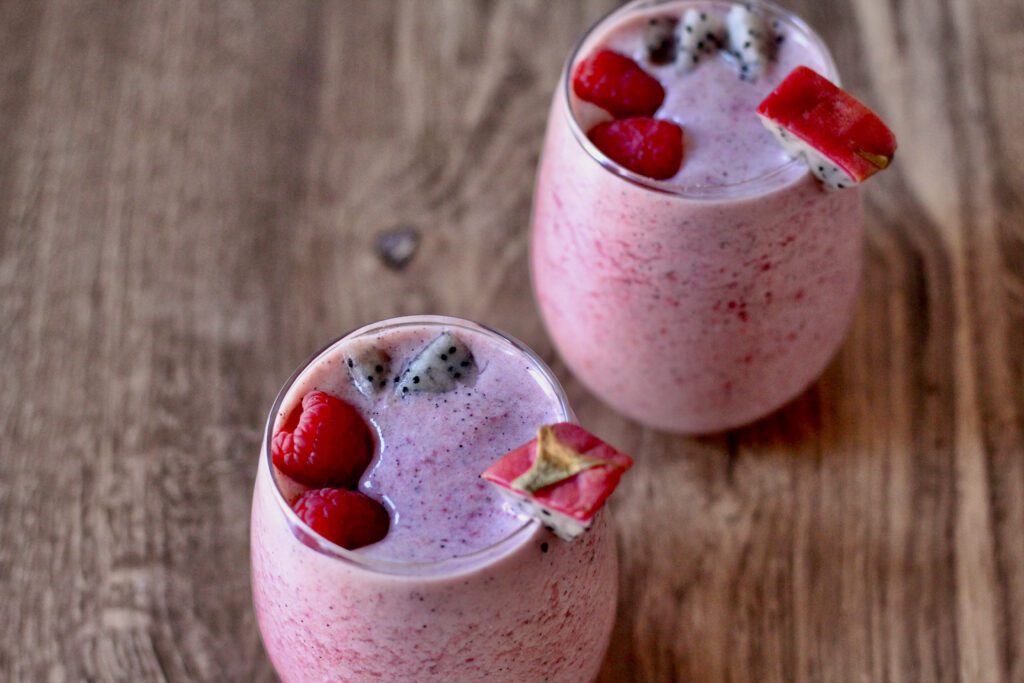
Looking for the right carbs to add? Here are some great options:
Fruits (Fast-Digesting, Natural Sweetness)
- Banana – great for post-workout recovery and creamy texture.
- Berries – lower in sugar but packed with antioxidants.
- Dates – high in natural sugar, perfect for quick energy.
- Mango – tropical and refreshing, excellent for high-energy shakes.
Grains & Fiber-Rich Carbs (Slow-Digesting, Sustained Energy)
- Oats – blend smoothly and provide long-lasting energy.
- Quinoa – a protein-rich grain for added nutrients.
- Sweet potato – packed with fiber and natural sweetness.
- Chia seeds – help thicken shakes and provide omega-3s.
Dairy & Dairy Alternatives
- Greek yogurt – adds protein and creaminess.
- Milk (cow’s, almond, oat) – different carb contents to fit your needs.
Vegetables (Yes, Really!)
- Spinach – mild taste but boosts nutrients.
- Pumpkin puree – great for a fall-inspired shake.
Ultimately whatever carb source you choose ideally it will be from whole foods. For more on balancing macros in your diet, check out my guide on How to Meal Prep for Weight Loss.

Best Protein Powders for Different Carb Needs
Over the years, I’ve tested plenty of protein powders, and these are my go-to favorites for different goals:
For Low-Carb Shakes: Dymatize ISO100 – Ultra-filtered whey isolate, great for post-workout recovery and easy on the stomach. Typically has about 2 g carbs per serving.
For Clean Ingredients: FlavCity Protein – Made with clean ingredients and naturally flavored, perfect for those avoiding artificial sweeteners and artificial flavors.
For Easy Digestion: Thorne Whey Protein Isolate – High-quality, NSF-certified, and great for digestion.
For Balanced Carb & Protein Needs: Optimum Nutrition Gold Standard Whey – A classic favorite with solid macros and a variety of flavors.
All of these protein powders are a good source of protein and a convenient way to increase your daily protein intake.
The Importance of Carbs in a Pre-Workout Shake
If you’ve ever felt sluggish during a workout, it could be because you weren’t fueling properly beforehand. A pre-workout protein shake with the right carbs can give you the sustained energy you need to power through your session.
Best pre-workout shake additions:
- Banana – Provides a quick energy boost.
- Oats – Slow-digesting carbs for longer-lasting fuel.
- Honey – Easily digestible, fast-acting energy.
- Dates – Natural sugars for immediate energy.
Try this pre-workout shake recipe:
- 1 scoop vanilla protein powder
- 1 banana
- 1/4 cup oats
- 1 tbsp honey
- 1/2 cup almond milk
- Ice & blend!
My Go-To Protein Shake Recipe
Through trial and error, I’ve found a combo that works for me—keeping me full and energized without weighing me down:
- 1 scoop vanilla protein powder
- 1/2 frozen banana
- 1/4 cup oats
- 1 tbsp almond butter
- 1/2 cup unsweetened almond milk
- 1/2 cup water
- Ice & blend!
This shake hits the sweet spot: enough carbs to fuel my morning, grams of protein to keep me full, and natural flavors that make it feel like a treat.
More Protein Shake Recipes to Try
Looking for some variety? Here are a few shake recipes based on different goals:
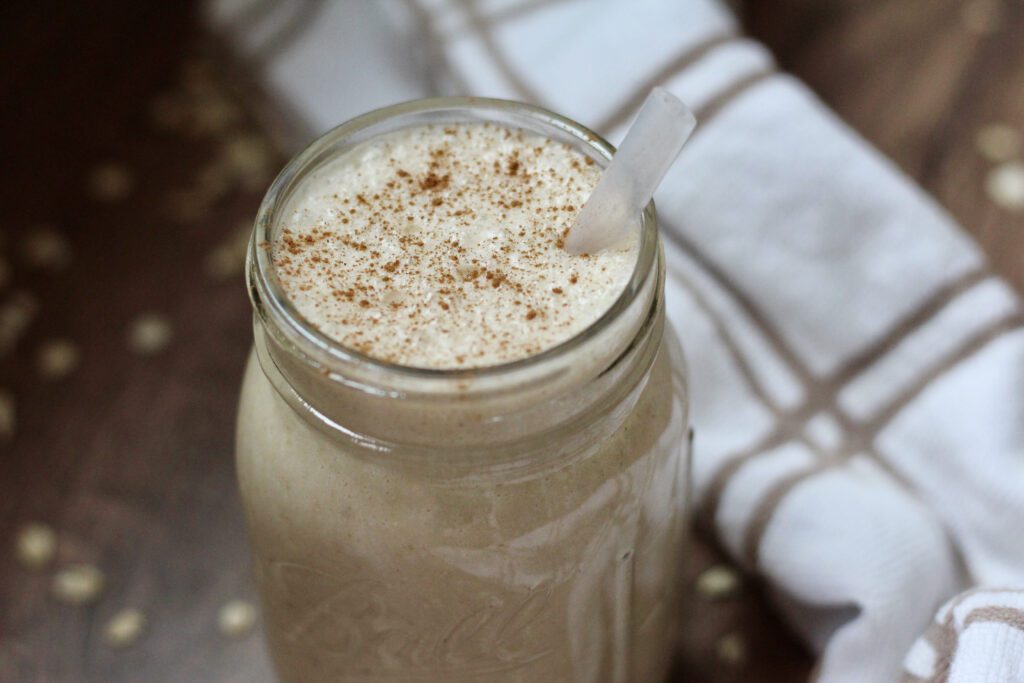
Low-Carb Protein Shake (For Weight Loss)
- 1 scoop protein powder
- 1/2 cup unsweetened almond milk
- 1/4 cup Greek yogurt
- 1/4 cup frozen berries
- 1 tbsp chia seeds
- Ice & blend!
High-Carb Post-Workout Shake
- 1 scoop protein powder
- 1 banana
- 1/2 cup oats
- 1 tbsp honey
- 1/2 cup milk
- Ice & blend!
Meal Replacement Shake
- 1 scoop protein powder
- 1/2 cup cooked quinoa
- 1/2 frozen banana
- 1 tbsp almond butter
- 1/2 cup Greek yogurt
- 1/2 cup water
- Ice & blend!
Digestive-Friendly Shake (For Sensitive Stomachs)
- 1 scoop plant-based protein powder
- 1/2 cup pumpkin puree
- 1/4 cup oats
- 1/2 tsp cinnamon
- 1/2 cup almond milk
- Ice & blend!
How to Adjust Carbs in Your Protein Shake for Your Goals
- Pre/Post Workout: Add fast-digesting carbs for energy and recovery.
- Meal Replacement: Use slow-digesting carbs for longer satiety.
- Low-Carb Diets: Stick to fiber-rich, lower-sugar options.
Carbs in a protein shake aren’t the enemy—they’re a tool. The key is knowing how to adjust them based on your needs. Whether you’re fueling up before or after a workout, keeping things light for weight loss, or simply making a more satisfying shake, a little carb strategy can go a long way.
What’s your go-to protein shake recipe? Drop it in the comments—I’d love to try it!
Follow me on my social media as I share more healthy recipes, fitness workouts and motherhood. Give a follow at: Instagram, YouTube and Pinterest!